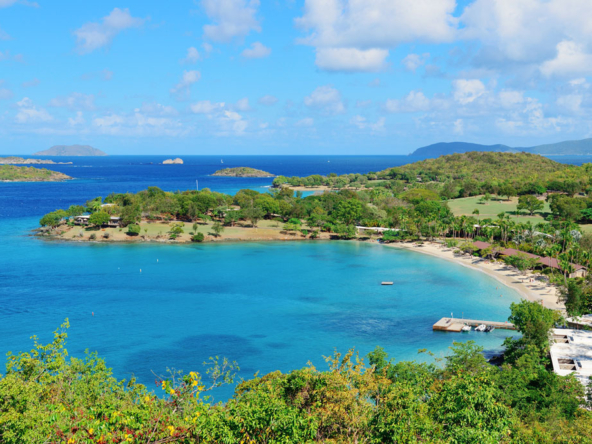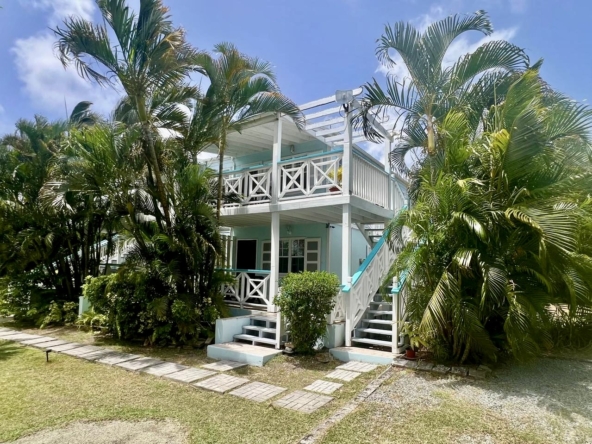
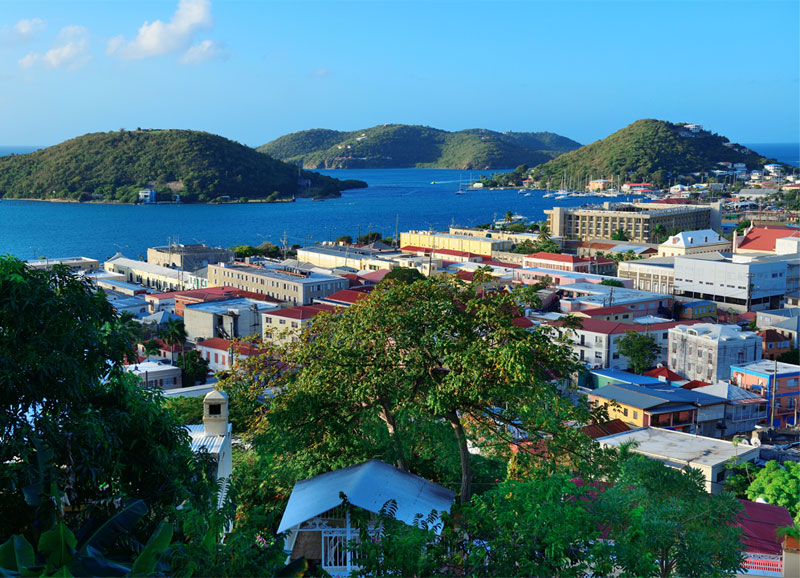
Cost of Living in Antigua – A Complete Guide for Expats and Travelers
Dreaming of a life surrounded by turquoise waters, palm trees, and year-round sunshine? Antigua, one of the Caribbean’s most charming islands, offers just that. But before you pack your bags, it’s wise to understand the cost of living in Antigua — from housing and groceries to healthcare and entertainment.
This guide dives deep into what you can expect financially when living or relocating to this beautiful island paradise.
General Overview of Antigua’s Economy
Antigua and Barbuda is a twin-island nation in the Eastern Caribbean, known for its stable economy and tourism-driven growth. The official currency is the Eastern Caribbean Dollar (XCD), pegged to the US dollar at approximately EC$2.7 to $1 USD, making budgeting easier for expats and travelers.
Tourism contributes to over 60% of Antigua’s GDP, supported by yachting, offshore finance, and the growing digital nomad community.
Read more like this Life in Antigua: What to Expect from Antigua Island Life
Cost of Living Index in Antigua
In 2025, Antigua ranks as moderately expensive compared to other Caribbean destinations. While it’s more affordable than the Cayman Islands or the Bahamas, it’s pricier than places like the Dominican Republic or Grenada.
The overall cost of living in Antigua sits around 60–65 (out of 100), meaning you’ll pay about 20–30% more than the global average for many goods and services.
Accommodation Costs
Renting Apartments and Houses
- Housing is often the biggest expense in
- A one-bedroom apartment in John’s (city center) averages US$900– US$1,200/month.
- Outside the city and moving up north, prices can climb as much as US$1,500/month.
- A three-bedroom house in a desirable coastal area can range from US$2,000– US$3,000/month, depending on the view and amenities.
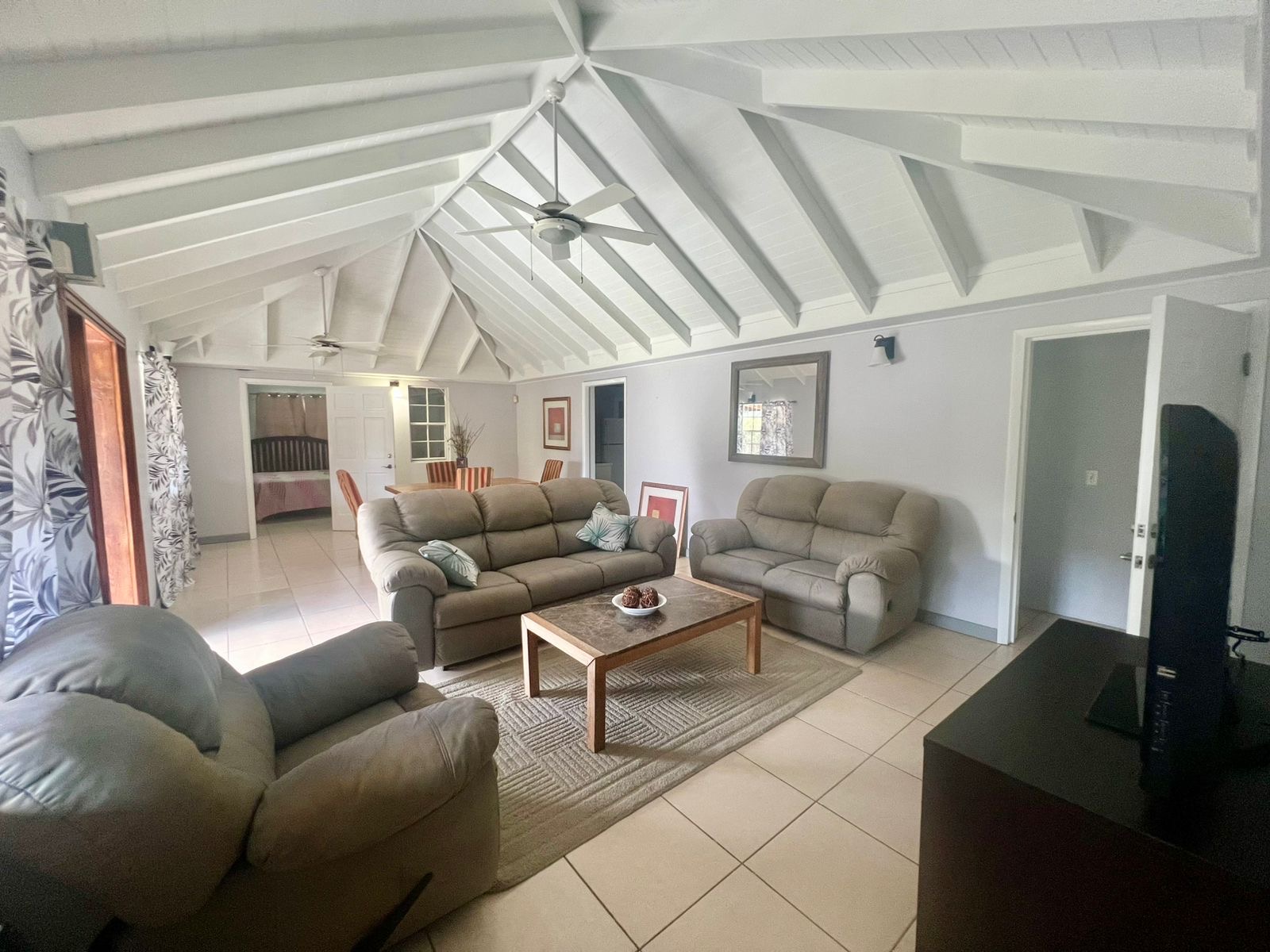
Buying Property
Buying a home in Antigua can cost anywhere from US$200,000 to over US$1 million, especially for sea-view villas. The government’s Citizenship by Investment Program also attracts foreign buyers seeking long-term residency.
Utilities
Utilities can be expensive due to import costs:
Electricity: US$100–US$250/month Water: US$20–US$60/month Internet: US$70–US$120/month Food and Groceries
Food prices (in USD) depend heavily on whether you shop local or imported. Milk (1L): $2.50
Bread loaf: $3.00 Eggs (dozen): $5.50
Chicken breast (1kg): $10.00
Fresh fruits and veggies: cheaper at local markets
Dining Out Costs Vary:
Local restaurant meal: US$10–US$15
Mid-range restaurant (two people): US$60–US$90 Cappuccino: US$4.50
Shopping at farmers’ markets can help reduce grocery bills by up to 25%.
Transportation Expenses
Public transport is limited but affordable. Bus fare: $2–$4 per ride
Taxi rides: US$10–US$30, depending on distance
If you own a car, gasoline costs around US$6/gallon. importing vehicles can be expensive due to customs duties; so many expats choose used cars locally. Car rentals cost around US$40–US$60 per day.
Healthcare and Insurance

Antigua offers both public and private healthcare options. Private clinics provide better facilities and shorter wait times, but at higher prices.
- Doctor consultation: $60–$100
- Hospital stay (per day): $300–$500
- Health insurance: around $150–$300/month for expats
- Education and Childcare
- For families, Antigua offers a mix of public and private
- Local schools: Free or low-cost but limited resources
- International schools: $5,000–$12,000 per year
- Preschool/daycare: around $400–$700/month
Read more on Healthcare in Antigua & Barbuda
Entertainment and Lifestyle
- Antigua has a vibrant social scene filled with beaches, sailing, and music
- Gym membership: US$50–US$80/month
- Cinema ticket: US$9
- Dinner and drinks for two: US$100
- Internet and entertainment packages (Netflix, mobile data) cost around US$90/month combined.
Antigua Taxes and Visa Fees
Antigua has a favorable tax system for residents and investors — no personal income tax for locals and expats. Property taxes are low (0.1–0.5%), and import duties vary by item.
Visa options include the Nomad Digital Residence (NDR) program for remote workers and the Citizenship by Investment Program (CIP) for property investors.
Antigua Job Market and Average Salary
Common job sectors include tourism, hospitality, construction, and finance. The average monthly salary in Antigua is around US$1,200–US$1,800, but remote workers typically earn more depending on their profession.
Cost of Living in Antigua for a Couple or Family Single expat: US$1,500–US$2,500/month Couple: US$2,500–US$4,000/month
Family of four: US$4,000–US$6,000/month
These figures include housing, food, utilities, and transportation, varying by lifestyle and location.
Pros and Cons of Living in Antigua Pros
- Stunning beaches and tropical weather
- Friendly locals and expat community
- No income tax and business-friendly policies
Cons
- High import costs
- Limited healthcare infrastructure
- Smaller job market for non-remote workers
Cost of Living in Antigua for Digital Nomads Rent and Housing Options
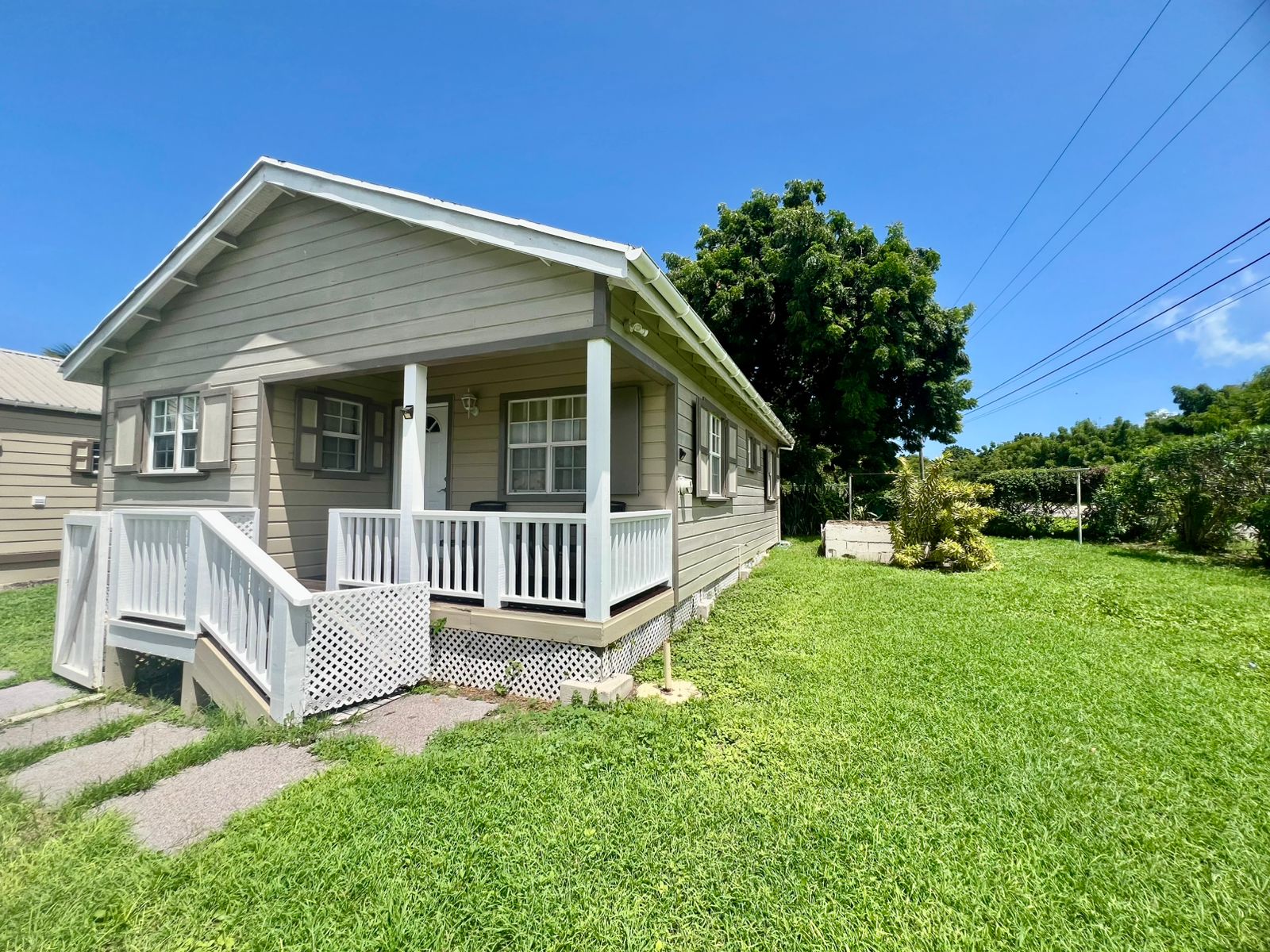
One of the first things digital nomads check is the rental market—and in Antigua, the range is pretty diverse. Monthly rent for a one-bedroom apartment can start around $800–$1,200 USD in more affordable areas and go up to US$2,500+ in premium locations like English Harbour or Jolly Harbour.
You’ll find:
- Apartments and Studios – Great for solo travelers or
- Villas – Popular for longer stays or co-living
- Guesthouses – More budget-friendly, often with a family-run
Utilities like electricity, water, and internet are usually extra and can add another US$150– US$300 monthly depending on usage (especially with AC running often).
Digital nomads can book through platforms like JMVI Realty, Airbnb, Booking.com, or local Facebook groups before transitioning into a longer-term lease.
Read more like this Best Digital Nomad Hotspots in Antigua
Food, Transport, and Daily Expenses
When it comes to food, you’ve got options—from local street eats to fine dining. Cooking at home will save you big. Groceries for a month cost around $250–$400 USD, depending on your tastes. Imported goods are pricier, but local fruits, veggies, and fish are affordable and fresh.
Eating out?
Local meals: US$8–US$15
Mid-range restaurants: US$25–US$50 per person Beach bars or upscale spots: US$60+
Transportation is manageable with rental cars, buses, and taxis. Many nomads rent a car short-term (US$40–US$70/day) or rely on buses, which cost around $1–$2 per trip. Taxis can add up quickly since they’re unmetered and negotiable, so confirm prices beforehand.
Overall, a digital nomad could live comfortably in Antigua for around $2,000–$3,500 USD/month, depending on their lifestyle.
Read more like this 11 Best Places to Visit in Antigua and Barbuda
Conclusion
Living in Antigua is like trading city stress for ocean breeze. The cost of living in Antigua may be slightly higher than in other Caribbean nations, but the lifestyle, scenery, and freedom it offers are priceless.
If you’re planning to move, balance your budget, embrace local culture, and prepare for a rewarding island life that’s both relaxed and fulfilling.
Discover the best Antigua rental properties for digital nomads and remote professionals. Get in touch with JMVI Realty to find modern, comfortable spaces designed for work-life balance in paradise.
FAQs on Cost of Living in Antigua
1. Is Antigua expensive to live in?
Yes, it’s moderately expensive, especially for imported goods and utilities, but manageable with smart budgeting.
2. How much money do you need to live comfortably in Antigua?
A single person can live comfortably on US$2,000/month, while couples may spend around US$3,500–US$4,000/month.
3. Can foreigners buy property in Antigua?
Absolutely! Foreigners can buy property freely and even qualify for citizenship by investment.
4. Is healthcare good in Antigua?
Private healthcare is reliable, though major procedures may require travel to nearby countries.
5. What’s the best way to save money while living in Antigua?
Shop local, use solar energy, and rent long-term rather than short-term to cut costs.