Life in Antigua
Antigua, one half of the dual-island nation Antigua and Barbuda, offers more than just postcard-perfect beaches and turquoise seas—it offers a unique way of life. For many, the idea of living in Antigua conjures images of sipping rum cocktails on the beach and enjoying perpetual sunshine. And while those are definitely perks, there’s a lot more to everyday life on the island.
Whether you’re an expat looking to relocate, a retiree dreaming of peace and quiet, or a local exploring new areas of opportunity, this guide will walk you through the real experience of living in Antigua—from lifestyle and culture to housing, healthcare, and more.
The Caribbean Lifestyle with a Twist
Life in Antigua is slower-paced, relaxed, and deeply connected to the natural environment. But it’s also vibrant and full of cultural expression.
Community and Culture
Antiguans are known for their friendliness and community spirit. It’s common to greet strangers, get involved in local events, and build strong neighbourhood connections. Festivals like Carnival, Antigua Sailing Week and more recently Restaurant Week bring people together and showcase the island’s music, dance, and culinary heritage.
Pace of Life
Expect and respect “island time.” Things happen a little more slowly here—whether it’s government paperwork or waiting in line at the bank. It takes some adjustment, but many find it a refreshing change from the hustle and bustle of city life.
Cost of Living in Antigua
Antigua isn’t the cheapest place in the Caribbean, but it offers good value, especially if you’re used to Western standards.
Housing
Rental prices vary widely. A one-bedroom apartment can cost anywhere from $800USD/month to $1,600 USD/month depending on the area and amenities. In places like Jolly Harbour or English Harbour, prices go up quickly due to demand and luxury accommodations.
Utilities and Groceries
Electricity is one of the pricier expenses, especially if you use air conditioning frequently. Imported food items can be expensive, but local produce and seafood are more affordable and fresher than you’d find in supermarkets overseas.
Transportation
There’s limited public transport, and most residents own a vehicle. Car prices can be high due to import taxes, so buying locally or importing a used car from Japan or the UK is common.
Housing and Neighbourhoods
Some of the most popular places to live include:
English Harbour – great for expats and sailing enthusiasts
Jolly Harbour – ideal for retirees and families wanting a gated community with lots of amenities
Cedar Valley – more local vibe and close to schools and the capital, nestled next to a golf course
Hodges Bay, Crosbies & Royals – upscale, quiet, and close to beaches
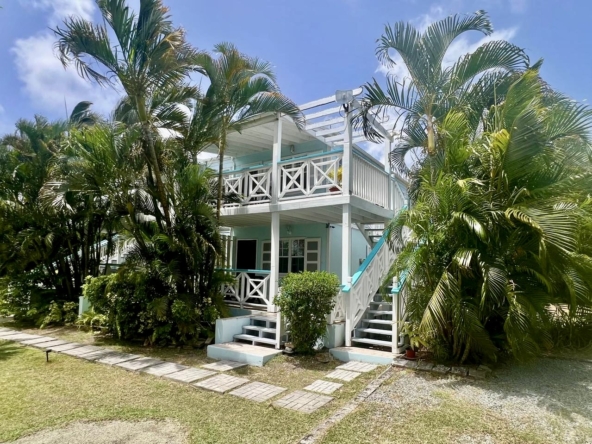
Homes range from modest bungalows to beachfront villas with private docks. Most expats rent before buying to get a feel for different areas.
Healthcare and Education
Healthcare
Antigua has both public and private healthcare. The Mount St. John’s Medical Centre is the main public hospital. Private clinics are available and often preferred for their shorter wait times. Health insurance is recommended, especially for expats.
Education
There are public and private schools, and some cater to international students. The American University of Antigua (AUA) is a well-known medical school attracting students worldwide. The University of the West Indies Five Islands Campus is also known for attracting students regionally in the Caribbean.
Work and Business Opportunities
Antigua’s economy relies on tourism, so jobs in hospitality, yachting, and service industries are common. Remote work is becoming more popular, especially with improved internet infrastructure.
Starting a Business
It’s possible for expats to start a business, but navigating local regulations can be time-consuming. Many choose sectors like property management, food and beverage, or tourism-related services.
Safety and Security
Antigua is generally safe, especially compared to other Caribbean destinations. However, like anywhere, petty crimes can happen. Gated communities and alarm systems add peace of mind.
The local police are approachable and English-speaking, and serious crime is rare. Just use common sense, avoid poorly lit areas at night, and of course secure your home!
Getting Residency in Antigua
Expats can stay short-term on a tourist visa (up to 90 days), or apply for longer-term residency. There’s also the Citizenship by Investment Program (CIP), which grants citizenship for a real estate or National Development Fund investment. For retirees, long-stay permits are available under specific conditions.
Everyday Life and Entertainment
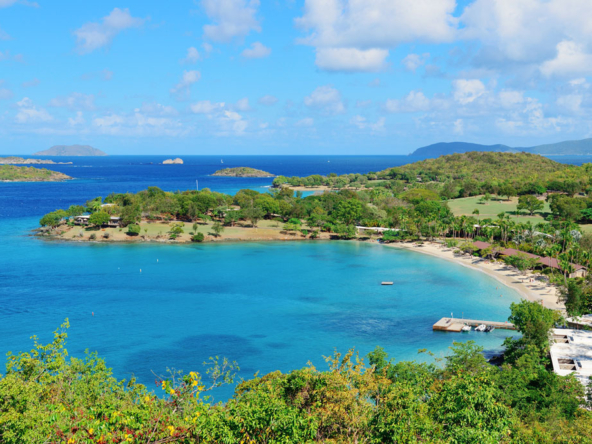
Beaches: With 365 beaches, it’s not hard to find your favourite.
Dining: From beach shacks to five-star dining, the food scene is diverse. Local dishes like fungi and saltfish or jerk chicken are must-tries!
Nightlife: While not wild, Antigua has lively beach bars, casinos, and live music spots.
Shopping: The capital, St. John’s, has local markets, boutiques, and a few malls for essentials.
Pros and Cons of Living in Antigua
Pros Cons
Beautiful weather year-round High utility and import costs
Friendly, English-speaking locals Limited public transport
Low crime rates Slower pace may frustrate some
Great for remote work and retirement Healthcare may require travel abroad
Easy access to beaches and nature Occasional hurricanes (June–Nov)
Conclusion
Living in Antigua is like stepping into a vibrant postcard and never wanting to leave. With its rich culture, natural beauty, and welcoming people, it’s no surprise more people are calling this Caribbean island home. While it has its quirks—like a slower pace of life and the occasional hurricane scare—it more than makes up for it with its sunshine, community spirit, and endless opportunities to live a simpler, more joyful life.
FAQs on Life in Antigua
Is Antigua a good place to retire?
Yes, many retirees choose Antigua for its climate, slower lifestyle, and friendly communities. There are long-stay permits available specifically for retirees.
Can I work in Antigua as a foreigner?
You’ll need a work permit, which is typically arranged through an employer. Some remote workers also stay on tourist visas or digital nomad programs.
How much money do I need to live comfortably in Antigua?
A comfortable lifestyle can range from US$2,000 to US$4,000 per month, depending on your housing, lifestyle, and whether you have dependents.
Is the internet good in Antigua?
Yes, especially in urban and tourist-heavy areas. In particular, Fiber Optic Internet provided by APUA Inet is good enough for video calls, streaming, and remote work, though outages can occur.
Do I need to speak another language?
No. English is the official language, so communication is easy for English speakers.