Living in Antigua and Barbuda
Antigua and Barbuda a twin-island nation in the heart of the Caribbean—has fast become a top destination for expats seeking sun, safety, and simplicity. Whether you’re a retiree yearning for warm beaches or a family searching for a peaceful, yet connected community, this island paradise offers more than just beautiful scenery.
In this comprehensive guide, we’ll cover everything from daily life and living costs to immigration pathways and where to settle down.
Living in Antigua and Barbuda: Why Choose Antigua and Barbuda?
Imagine 365 beaches, a laid-back lifestyle, and a politically stable government all wrapped in one tropical escape. That’s Antigua and Barbuda for you. Antigua is the livelier of the two islands—home to the international airport, thriving real estate, and essential services. Barbuda, on the other hand, is a quiet haven for nature lovers.
English is the official language, the Eastern Caribbean Dollar (pegged to the US Dollar) is the currency, and direct flights connect you to the U.S., Canada, and the UK. It’s a seamless transition for most Western expats.
Top Benefits of Living in Antigua
Year-Round Warm Weather – The average temperature is a cozy 28°C (82°F).
Affordable Real Estate Options – Expats can buy approved property and qualify for residency or even citizenship.
No Income or Capital Gains Tax – Tax residents enjoy significant financial advantages.
Political Stability and Safety – One of the safest Caribbean nations with a reliable government.
Strong Healthcare & Infrastructure – Modern hospitals and broadband internet are widely available.
English-Speaking Environment – No language barrier makes settling in easier.
Direct Global Connections – Fly directly to major cities in North America and Europe.
High Life Expectancy – On average, residents live up to 79 years—higher than some Western countries.
Diverse Lifestyle Opportunities – From yachting to yoga, the islands support all types of lifestyles.
Cost of Living in Antigua
The cost of living is notably lower than in the U.S., particularly for housing and healthcare. Groceries and some imported items can be pricier due to shipping costs.
Expense Monthly Cost (USD)
1-Bedroom (City Center) $800
1-Bedroom (North of Island) $1,000
3-Bedroom (North of Island) $3,000
Groceries (Monthly Avg) $250–$400
Utilities & Internet $150–$350
Public Transport (Bus Ride) ~$1.40
Taxi (Short Trips) ~$15
Fuel (Per Gallon) $6
Owning a car can be costly due to import duties, so many expats rely on car rentals, taxis or local buses for daily commuting.
Read more like this How to Move to Antigua: Your Ultimate Relocation Guide
Best Places to Live in Antigua
North of Island: The most sought after by locals due to proximity to the airport, beautiful beaches and the city center.
St. John’s: The capital and business hub with top-notch amenities and real estate options.
English Harbour: A yachting paradise with a strong expat presence and vibrant social life.
Jolly Harbour: A gated community with beachfront villas, a marina, and full-service amenities.
Dickenson Bay: Great for water sports, calm beach life, and resort-style living.
Nonsuch Bay: Ideal for those seeking tranquility and seclusion in a lush, coastal setting.
Read more like this Things to Do in Antigua and Barbuda
Immigration Options for Expats
There are multiple ways to move to Antigua, each catering to different lifestyles:
Tax Residency Program
- Minimum 30 days of physical presence per year
- Income threshold: $100,000+
- Annual flat tax: $20,000
Digital Nomad Visa (NDR Program)
- Remote workers earning $50,000+ annually
- 2-year temporary residency
No local tax obligations
Citizenship by Investment
- Property investment of $300,000+
- Alternative: Contribute to national development fund
- Includes visa-free travel to 151 countries
Antigua Real Estate
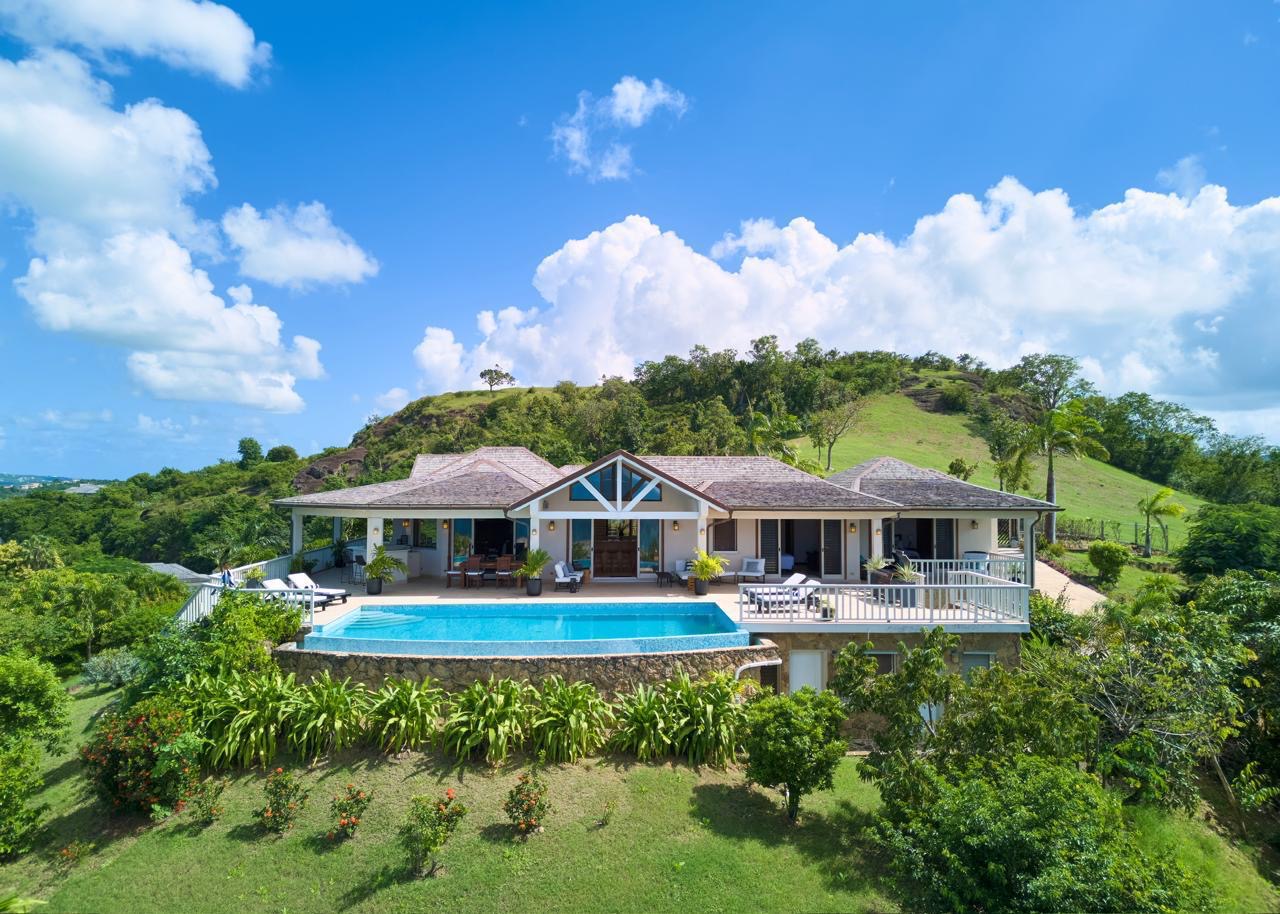
Buying property in Antigua and Barbuda is the gateway to relocation. The island nation offers a wide selection of real estate, including oceanfront condos, luxury villas, and modern family homes. Property prices vary greatly by location and type, ranging anywhere from $200,000 for smaller residences to upwards of $12 million for ultra-luxury estates.
Healthcare in Antigua
Antigua boasts a modern healthcare system with both public and private options. Mount St. John’s Medical Centre is the largest hospital, offering emergency and specialist services. Private clinics are available for quicker appointments and personalized care.
Health insurance is highly recommended, and many expats opt for international plans that cover regional and overseas treatment.
Living in Antigua as a Retiree
For American retirees, Antigua offers sunny days, low taxes, and a community of like-minded individuals. Pensions and social security income are not taxed, and the relaxed pace of life is ideal for enjoying retirement.
Popular activities include:
- Relaxing on beaches like Darkwood and Ffryes
- Sailing from English Harbour
- Social events in expat clubs and yacht communities
- Nature hikes and island tours
Read more like this Moving to Antigua and Barbuda from the USA
Bringing Pets to Antigua
Moving with pets? You’ll need:
- A health certificate from a vet
- Up-to-date vaccinations (especially rabies)
- An import permit from Antigua’s Ministry of Agriculture
- Quarantine may be required based on documentation and origin, so always check ahead.
Pros and Cons of Life in Antigua
Pros:
- Warm climate and endless outdoor activities
- Tax advantages for retirees and investors
- Strong, friendly expat community
- Stable political and economic environment
- Direct international travel connections
Cons:
- Limited job market (especially for non-remote workers)
- High import costs for goods and vehicles
- Hurricane season (June–November)
- Some limitations in specialized medical care
Final Thoughts on Living in Antigua
Whether you’re dreaming of early retirement, considering a tax-friendly relocation, or just looking to live where others vacation, Antigua offers an unbeatable mix of charm, comfort, and opportunity. From affordable housing and no income taxes to a vibrant expat community and English-speaking locals—this is one island you’ll want to call home.
If you’re ready to begin your island life, Antigua and Barbuda could be your perfect destination.
Read more like this Top 10 Tips for Mastering Life at Antigua
Frequently Asked Questions (FAQs) on Living in Antigua
How much do I need to live comfortably in Antigua?
Expect to spend US$1,500–US$3,000/month depending on your lifestyle and housing choices.
Can U.S. citizens move to Antigua?
Yes! U.S. citizens can stay visa-free for up to 90 days and apply for long-term residency or citizenship.
Is Antigua safe for expats?
Absolutely. It’s considered one of the safest Caribbean nations with low crime rates, especially in expat areas.
Can I retire in Antigua on Social Security?
Yes. Many American retirees do, and their U.S. benefits are not taxed by the Antiguan government. It may not be wise to reely on local Social Security Programs.
Is the cost of living lower than in the U.S.?
Yes, especially for housing and healthcare. Some imported goods can be more expensive due to import duties.