Things to Know Before Traveling to Antigua and Barbuda
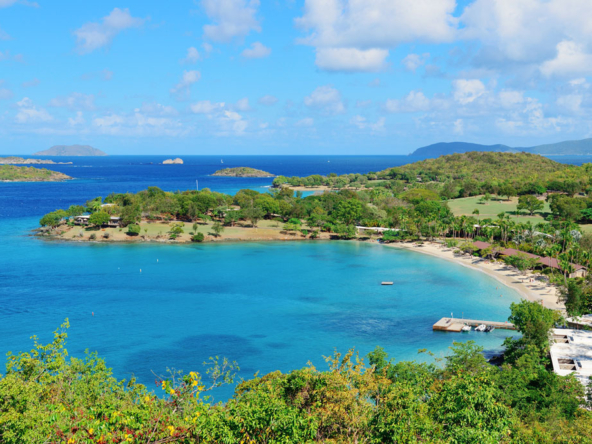
Traveling to Antigua and Barbuda, the twin-island paradise in the Caribbean is an unforgettable experience. Known for its turquoise waters, 365 beaches, vibrant culture, and welcoming people, this destination offers a mix of relaxation, history, and adventure. But before you pack your bags, it’s important to be prepared. From entry requirements to local etiquette, here’s everything you need to know in one organized guide.
1. Entry Requirements and Travel Documents
To enter Antigua and Barbuda, most visitors—including those from the USA, UK, Canada, and EU countries—do not need a visa for short stays of up to three months. However, you must have a valid passport (at least six months before expiration) and proof of onward or return travel.
Health Guidelines
Although restrictions have eased, always check the latest updates before you traveling to Antigua. Depending on the situation, you might need proof of vaccination or a recent test.
Customs Regulations
Duty-free items allowed: 200 cigarettes, 50 cigars, 250g of tobacco, and 1 liter of alcohol. Restricted items: Fresh foods, plants, and illegal substances.
Tip: Keep copies of hotel bookings and return tickets handy in case immigration officers request them.
Read more like this 11 Best Places to Visit in Antigua and Barbuda
2. Best Time to Visit
Antigua and Barbuda enjoy a tropical climate year-round, but some seasons are better suited for travel.
Dry Season (December–April): Best weather, low humidity, and lots of sunshine. Perfect for beach lovers but also peak tourist season with higher prices.
Wet Season (June–November): Fewer tourists and cheaper rates, but also hurricane season. Stay updated on forecasts.
Festival Season: Time your trip with events like Carnival (July–August) for colourful parades, or Antigua Sailing Week (April) if you love boating.
If you prefer peace and lower costs, the off-season may be ideal. For lively celebrations, visit during Carnival or Independence Day in November.
Read more like this Caribbean Hurricane Season: Travel Tips & Safe Destinations
3. Currency and Money Matters
The official currency is the Eastern Caribbean Dollar (XCD), pegged at 1 USD = 2.7 XCD, but US dollars are widely accepted.
Money Tips on Traveling to Antigua
ATMs are available in towns and near resorts.
Credit cards (Visa, MasterCard) are accepted at most hotels and restaurants. Cash is essential for taxis, local markets, and small shops.
Budgeting on Traveling to Antigua
Mid-range hotel: USD$150–$300 per night. Local meal: USD$10–$20.
Taxi rides: USD$10–$30 depending on distance. Tours: USD$50–$150 per person.
Pro tip: Eat at local cook shops to save money and experience authentic Caribbean flavors.
4. Language, Culture, and Etiquette Language
English is the official language, making communication easy. Locals also speak Antiguan Creole, also called dialect which is colourful and unique. Learning simple phrases like “Wha gwan?” (What’s going on?) is a great icebreaker.
Cultural Traditions Must know Before Traveling to Antigua
Music and dance are at the heart of Antiguan life. Soca, calypso, and reggae fill the streets during festivals, and storytelling traditions reflect the islands’ African heritage.
Do’s and Don’ts on Traveling to Antigua
Do greet people politely with “Good morning” or “Good afternoon.”
Do dress modestly when visiting towns; swimwear should stay on the beach. Don’t take photos of locals without permission.
Don’t rush—life here follows “island time.”
Respecting these customs will help you connect with locals and enhance your travel experience.
Read more like this Healthcare in Antigua
5. Transportation and Getting Around
Getting around Antigua and Barbuda is easy, but options vary depending on your budget.
Car Rentals
Renting a car offers the most freedom. You’ll need a temporary driving permit (USD$20) and must drive on the left-hand side of the road.
Taxis
Available at airports, ports, and resorts. They don’t use meters, so always negotiate the fare before your ride.
Public Buses
A budget-friendly way to explore, especially from St. John’s to nearby villages. Fares are usually under $3, but buses run irregularly.
Ferries
The Barbuda Express connects the two islands in about 90 minutes. Small charter flights are also available for a quicker trip.
6. Top Attractions and Activities
Antigua and Barbuda are packed with things to see and do:
Beaches: With 365 beaches, you’ll never run out of options. Visit Vyce at Dickenson Bay for nightlife, Half Moon Bay for surfing, and Pink Sand Beach in Barbuda for something unique.
Nelson’s Dockyard: A UNESCO World Heritage Site showcasing naval history.
Shirley Heights Lookout: Famous for its panoramic sunset views and Sunday evening parties. Frigatebird Sanctuary in Barbuda: One of the largest colonies of frigatebirds in the world.
Cades Reef: Ideal for snorkeling and diving.
Adventure lovers can hike Mount Obama, the highest point in Antigua, for stunning views. Check out Happy Heights, a trusted tour Company.
7. Food and Drinks
Food is a highlight of traveling to Antigua and Barbuda.
Must-Try Dishes
Fungee and Pepperpot: The national dish. Ducana: Sweet potato dumplings.
Conch fritters: A tasty street snack. Jerk chicken: Spicy and flavorful.
Antiguan KFC (Kentucky Fried Chicken): arguably the World’s best.
Drinks
English Harbour Rum: A must-try local rum.
Sorrel (hibiscus-based drink) and ginger beer are refreshing non-alcoholic options.
From beach shacks to fine dining restaurants, every meal feels like part of the Caribbean experience.
Read more like this Life in Antigua: What to Expect from Antigua Island Life
8. Accommodation Options
There’s something for every traveler:
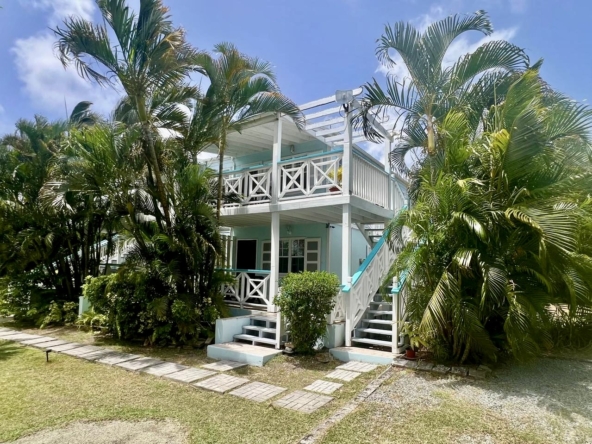
Luxury Resorts: Jumby Bay, Hermitage Bay, and Sandals Antigua. Mid-Range Hotels: Boutique stays with authentic local charm.
Budget Guesthouses: Affordable options for backpackers and families. Barbuda Lodges: Rustic, peaceful, and close to untouched beaches.
Book early if traveling to Antigua during peak season, as hotels fill up quickly.
Conclusion
Antigua and Barbuda are more than just beautiful beaches—they’re a cultural gem filled with history, music, food, and warm hospitality. By preparing ahead with the right documents, timing your visit, understanding money matters, and respecting local customs, you’ll ensure a smooth and memorable trip. Whether you’re chasing sunsets, dancing at Carnival, or relaxing on a pink sand beach, these islands promise an adventure worth remembering.
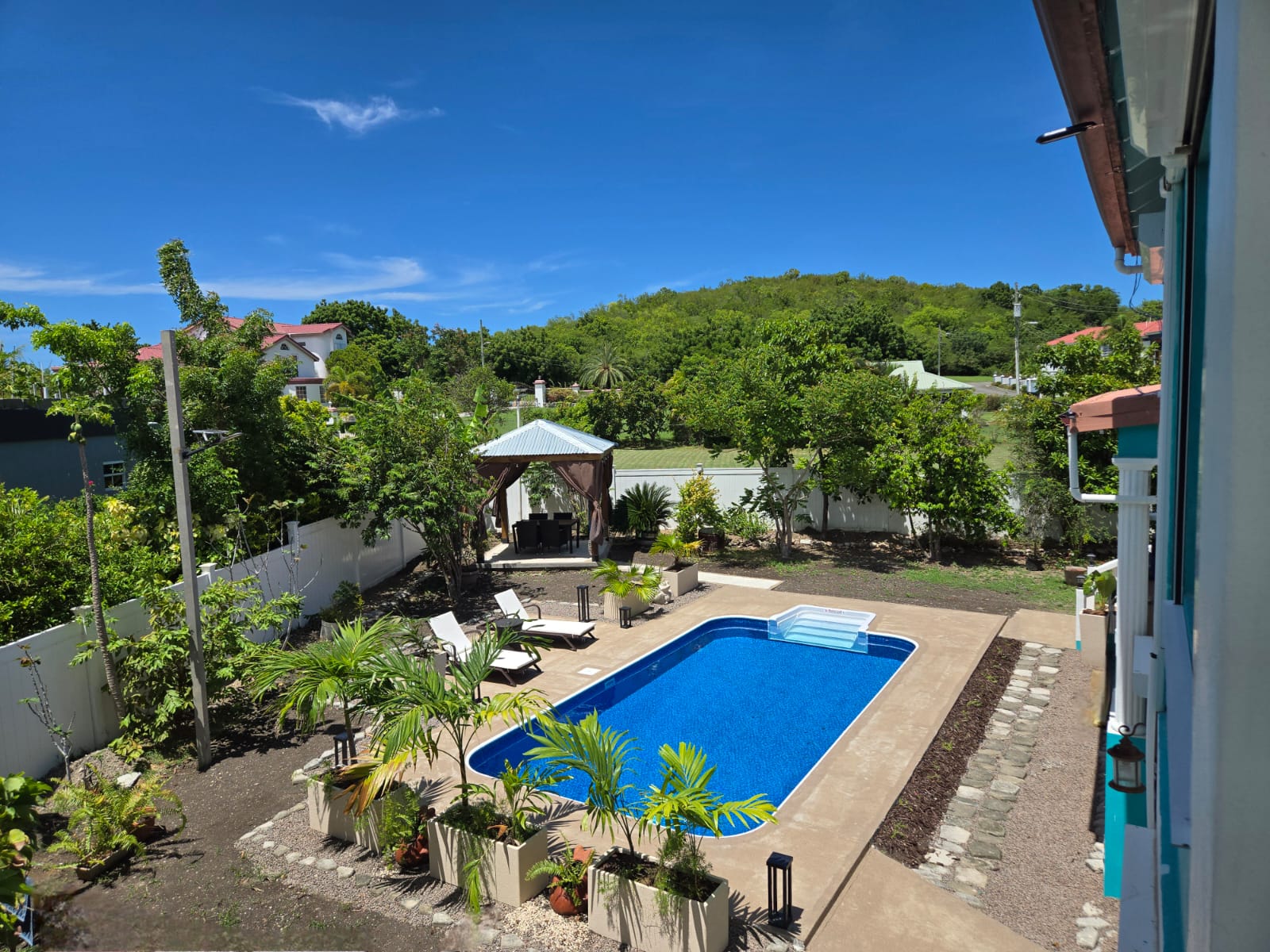
Experience the beauty of Antigua from your ideal island home.
Contact JMVI Realty today for premium rental options tailored to your lifestyle.
FAQs on Traveling to Antigua
Do I need a visa to visit Antigua and Barbuda?
Most travelers, including those from the USA, UK, and Canada, do not need a visa for stays up to three months.
What is the best time of year to travel?
The dry season (December–April) is ideal for weather, while May–November is cheaper but wetter.
Is Antigua and Barbuda expensive?
It can be, especially during peak season. However, local restaurants, buses, and guesthouses help keep costs manageable.
Can I use US dollars there?
Yes, US dollars are widely accepted, though change may be given in Eastern Caribbean Dollars.
Is it safe to travel?
Yes, Antigua and Barbuda are generally safe, but like anywhere, use common sense—avoid isolated areas at night and keep valuables secure.