Geography of Antigua
The Isle of Antigua sits in the heart of the Caribbean’s Leeward Islands, surrounded by turquoise waters and neighboring islands that together create a breathtaking tropical archipelago. The island covers roughly 281 square kilometers (108 square miles), making it relatively compact yet incredibly diverse in landscapes and coastal scenery. Its position in the eastern Caribbean places it between the Atlantic Ocean and the Caribbean Sea, giving it unique ecological and geographic characteristics.
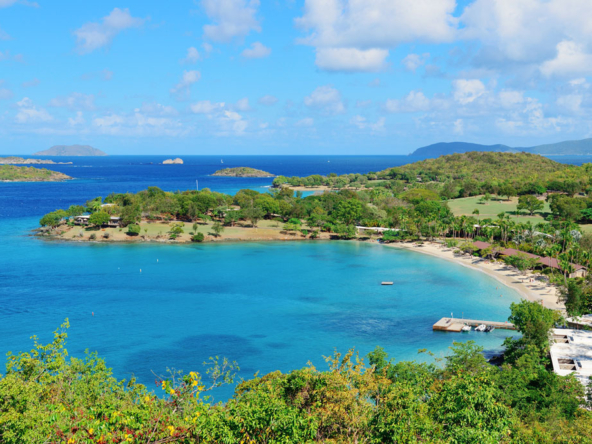
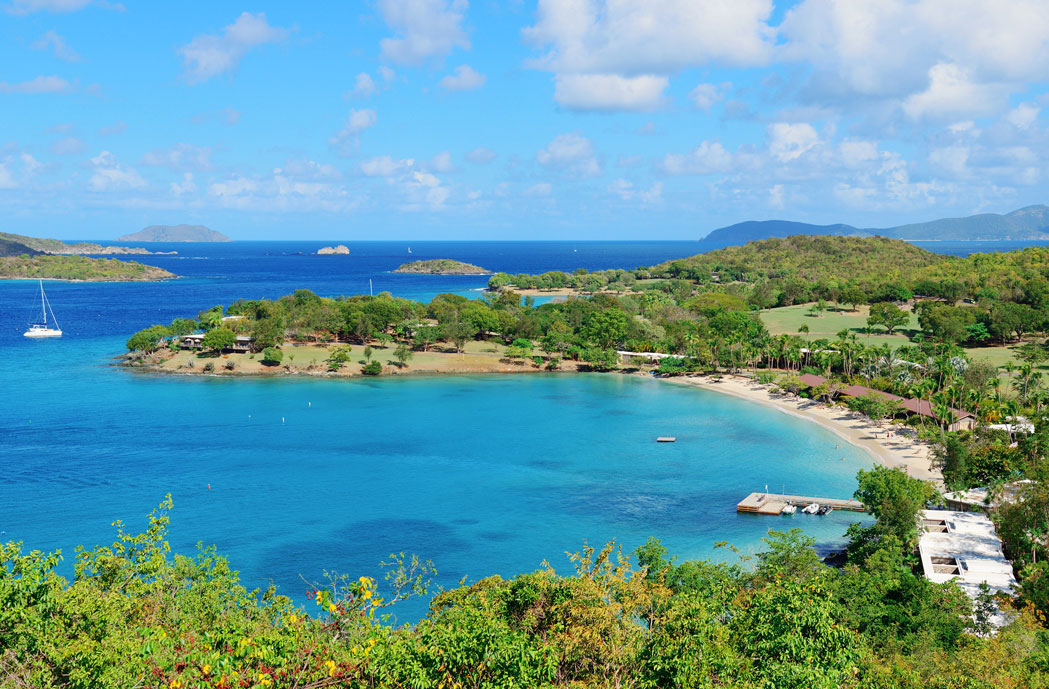
Antigua is known for its gently rolling hills, limestone formations, and fertile plains. Unlike many Caribbean islands formed by volcanic activity, Antigua’s terrain is largely made up of coral and limestone, which contributes to its famous white sandy beaches. These natural formations also create protected bays and calm waters that are perfect for sailing, snorkeling, and swimming. The island’s coastline stretches over 150 kilometers, dotted with picturesque coves, reefs, and natural harbors.
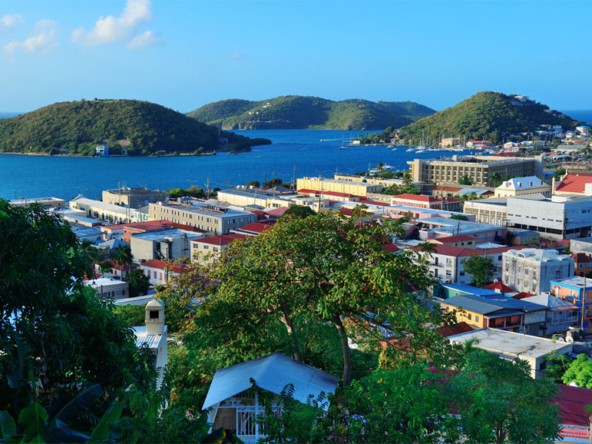
The capital city, St. John’s, sits along the northwestern coast and serves as the island’s main port and commercial hub. Colorful buildings, bustling markets, and historic architecture give the city a lively character that reflects both Caribbean tradition and modern influences. From St. John’s, travelers can easily explore other parts of the island, including lush countryside villages and scenic coastal viewpoints.
Despite its relatively small size, Antigua’s geography allows visitors to experience a wide range of environments within a short distance. You might start the morning relaxing on a quiet beach, spend the afternoon hiking along coastal cliffs, and end the day watching yachts sail into a historic harbor. This variety is part of what makes the Isle of Antigua such an appealing destination for travelers seeking both adventure and relaxation.
Read more like this A Complete Travel Guide of The Isle of Antigua
Conclusion
The Isle of Antigua stands as one of the Caribbean’s most captivating destinations, combining breathtaking natural beauty with deep historical roots and vibrant cultural traditions. From its legendary 365 beaches to its historic colonial landmarks and lively festivals, the island offers experiences that appeal to every type of traveler. Whether someone seeks relaxation on a quiet beach, thrilling water adventures, or meaningful cultural exploration, Antigua delivers a memorable journey.
What truly sets Antigua apart is the warmth of its people and the richness of its heritage. Visitors quickly discover that the island is more than just a scenic getaway—it is a place filled with stories, traditions, and genuine hospitality. Exploring Antigua means connecting with its past, enjoying its present, and appreciating the natural wonders that make it one of the most beloved islands in the Caribbean.
For travelers dreaming of turquoise waters, golden sunsets, and unforgettable experiences, the Isle of Antigua remains a destination that captures the imagination and leaves lasting memories long after the journey ends.
FAQs on Isle of Antigua
Where is the Isle of Antigua located?
The Isle of Antigua is located in the eastern Caribbean Sea and is part of the country Antigua and Barbuda within the Lesser Antilles island chain.
Why is Antigua called the island of 365 beaches?
Antigua is famously known for having 365 beaches, symbolically representing one beach for every day of the year.
What is the best time to visit Antigua?
The best time to visit Antigua is typically between December and April, when the weather is sunny, dry, and ideal for outdoor activities.
What are the top attractions in Antigua?
Major attractions include Nelson’s Dockyard, Shirley Heights Lookout, Dickenson Bay, English Harbour, and numerous scenic beaches.
What food is Antigua famous for?
Antigua is known for dishes such as fungi and pepperpot, grilled lobster, saltfish, and coconut-based Caribbean desserts.