 by Jermaine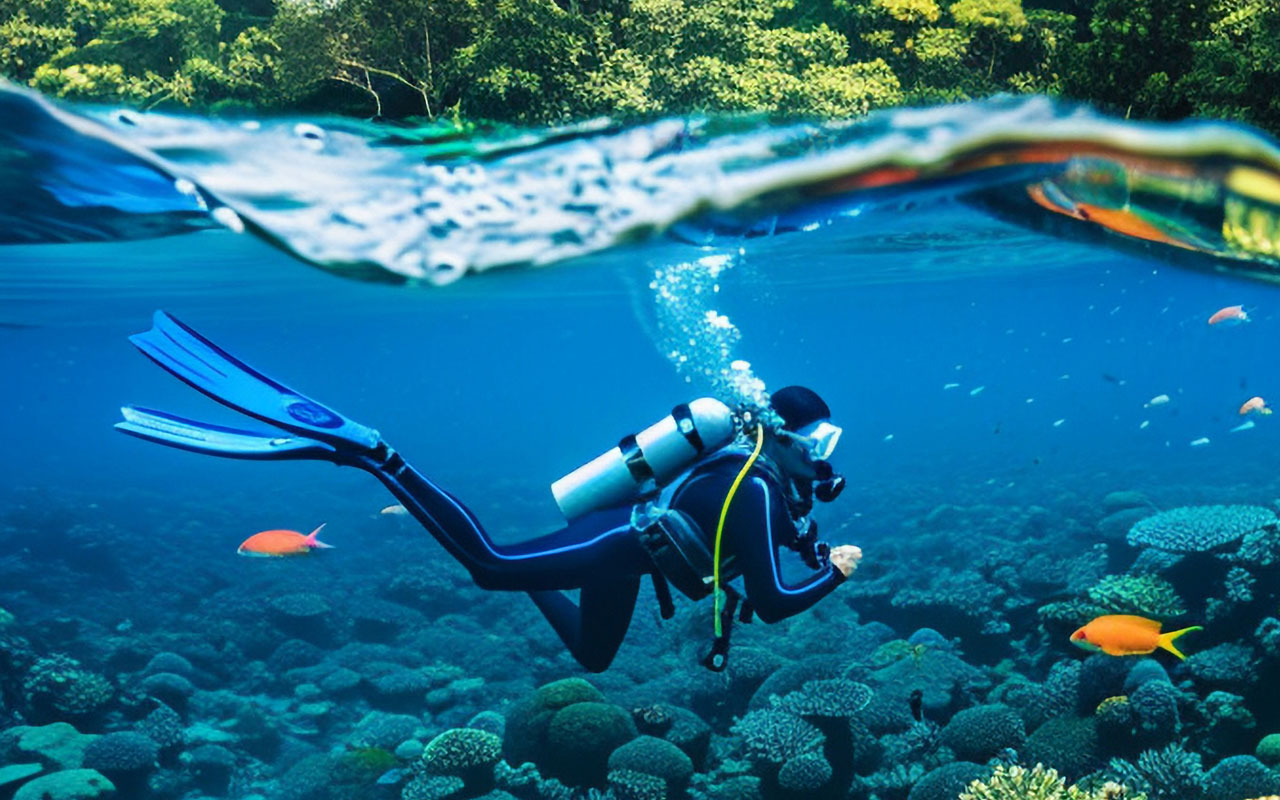
Introduction to Snorkeling in Antigua
Imagine floating gently on turquoise water while vibrant fish swim beneath you like living confetti. The sun reflects off the Caribbean Sea, illuminating colourful coral reefs that look like underwater gardens. This isn’t a dream—it’s snorkeling in Antigua, one of the most breathtaking experiences the Caribbean has to offer.
The island of Antigua, located in the Eastern Caribbean, is famous for its 365 beaches—one for every day of the year. But what many travellers don’t realize is that the magic doesn’t stop at the shoreline. Just a few meters offshore lies an entire world filled with coral reefs, tropical fish, and fascinating marine life waiting to be discovered.
Snorkeling here is incredibly accessible. You don’t need professional diving certifications or expensive equipment. All it takes is a mask, snorkel, fins, and a sense of curiosity. Within minutes of entering the water, you can witness vibrant coral formations, schools of colourful fish, and sometimes even sea turtles gliding gracefully across the seabed.
Tourists and marine enthusiasts often describe Antigua’s waters as some of the clearest in the Caribbean, with visibility often reaching 20–30 meters. That clarity transforms snorkeling from a casual swim into a mesmerizing exploration of marine ecosystems. Whether you are a first-time snorkeler or someone who has explored reefs around the world, Antigua offers experiences that feel both relaxing and adventurous at the same time.
Read more like this What to Do in Antigua: The Ultimate Travel Guide for First-Time Visitors
Why Antigua is a World-Class Snorkeling Destination
Antigua has quietly earned a reputation among marine enthusiasts as one of the Caribbean’s hidden snorkeling gems. While destinations like the Bahamas or Belize often dominate the spotlight, Antigua offers something equally magical—yet slightly more serene and less crowded.
Crystal Clear Caribbean Waters
One of the first things snorkelers notice about Antigua is the extraordinary clarity of its waters. The island sits in a region where warm currents from the Caribbean Sea create stable, calm conditions for much of the year. These calm waters allow sediment to settle, resulting in exceptional underwater visibility.
When you float on the surface wearing a snorkeling mask, the water becomes like a natural aquarium window. Sunlight penetrates the shallow reefs, illuminating coral formations and marine life in vivid colour. In some areas, visibility stretches beyond 25 meters, making it easy to observe marine ecosystems without needing to dive deep.
This clarity also benefits beginner snorkelers. People who are new to snorkeling often feel more comfortable when they can clearly see the ocean floor and their surroundings. Antigua’s shallow reefs create the perfect learning environment where visitors can build confidence while enjoying incredible scenery.
Marine biologists often point out that clear water and stable temperatures help coral reefs thrive. Antigua’s reefs are a testament to this balance, hosting a wide variety of coral species that form intricate underwater landscapes.
Rich Marine Biodiversity
Snorkeling in Antigua is not just about seeing fish—it’s about discovering an entire ecosystem. The reefs surrounding the island act like underwater cities where countless marine species live, feed, and reproduce.
A typical snorkeling session might reveal:
- Angelfish and parrotfish
- Blue tang and butterflyfish
- Moray eels hiding in coral crevices
- Spiny lobsters
- Sea fans and brain corals
These species create a vibrant underwater community that changes constantly depending on the location and time of day. Early morning snorkeling often reveals calmer waters and more active marine life, while late afternoon dives can produce dramatic lighting effects as the sun dips lower on the horizon.
Marine conservationists emphasize that Antigua’s reefs are part of the Caribbean’s critical coral ecosystems, which support thousands of marine species. Protecting these habitats is essential not only for biodiversity but also for tourism and local livelihoods.
Read more like this Best Time to Travel to Antigua
Best Time for Snorkeling in Antigua
Timing plays an important role in maximizing your snorkeling experience. While Antigua offers excellent conditions throughout most of the year, certain seasons provide calmer seas, better visibility, and richer marine encounters.
Weather and Water Conditions
The best snorkeling months in Antigua typically run from December through April. During this period, the island experiences its dry season, which brings clear skies, calm seas, and minimal rainfall. These conditions allow sunlight to penetrate the water easily, making coral reefs appear more vibrant and colourful.
Water temperatures remain pleasantly warm throughout the year, usually ranging between 26°C and 29°C (79°F to 84°F). This warmth makes snorkeling comfortable even without wetsuits. Many visitors simply wear lightweight swimwear and spend hours exploring the reefs.
Another advantage of Antigua’s climate is the gentle trade winds that help keep the water surface relatively calm. Calm water reduces waves and turbulence, making snorkeling safer and more enjoyable, especially for beginners.
Visibility during ideal conditions can exceed 30 meters, which is exceptional for reef snorkeling. This means you can observe marine life from a distance without disturbing the natural environment.
Peak Tourist Season vs Off-Season
Antigua’s peak tourist season aligns with winter travel in North America and Europe. Between December and April, resorts and snorkeling tours operate at full capacity. The weather is nearly perfect, but popular snorkeling spots may attract larger groups of visitors.
Traveling during the off-season—from May to November—offers a different experience. While occasional rain showers may occur, the island becomes quieter and more relaxed. Tour prices and accommodation costs often drop significantly, making it an attractive option for budget travellers.
The only factor to consider during the off-season is the Caribbean hurricane season, which typically peaks between August and October. Even during these months, many days remain sunny and calm, but travellers should always monitor weather forecasts.
Read more like this Top 8 Things to Know Before Traveling to Antigua and Barbuda
Best places to snorkel in Antigua
Antigua offers numerous snorkeling locations, each with its own personality and marine ecosystem. Some areas feature shallow coral gardens, while others showcase dramatic underwater rock formations.
Cades Reef
Cades Reef is widely considered the most famous snorkeling destination in Antigua. Located along the southwest coast, this extensive barrier reef stretches for nearly two miles and provides shelter for a rich variety of marine life.
The reef is divided into multiple sections known locally as “heads,” where coral structures rise from the seafloor like underwater mountains. Snorkelers can drift along these formations while observing schools of tropical fish darting between coral branches.
What makes Cades Reef special is its accessibility. Many tour operators run daily snorkeling excursions to the area, allowing visitors to explore multiple reef sections in a single trip. Guides often point out hidden creatures such as octopus, moray eels, and nurse sharks resting beneath coral ledges.
The reef is also part of a protected marine reserve, which helps maintain healthy coral growth and marine biodiversity.
Stingray City
If you’ve ever dreamed of swimming alongside stingrays, Stingray City delivers an unforgettable experience. Located in the shallow waters of Antigua’s northeastern coast, this unique snorkeling site allows visitors to interact with southern stingrays in their natural habitat.
The rays glide gracefully through the water, often approaching snorkelers with curiosity. Guides explain how these gentle creatures behave and demonstrate safe ways to interact with them.
Many visitors describe Stingray City as both thrilling and educational. It offers a rare opportunity to observe marine animals up close while learning about their ecological role in the ocean ecosystem.
Deep Bay
Deep Bay is a fascinating snorkeling location because it combines coral reefs with a historic shipwreck. Just offshore lies the wreck of the Andes, a merchant ship that sank in 1905 after catching fire.
Over time, the wreck has transformed into an artificial reef. Coral formations now cover much of the structure, and marine life thrives around it. Snorkelers can swim above the wreck while observing fish, rays, and sometimes sea turtles.
The combination of history and marine biodiversity makes Deep Bay one of the island’s most intriguing snorkeling spots.
Half Moon Bay
Half Moon Bay is famous for its scenic beauty, but its underwater world is equally captivating. The bay’s calm waters and sandy seabed create ideal snorkeling conditions, particularly for beginners.
Small coral clusters near the rocky edges of the bay attract colourful fish and crustaceans. The area is also known for occasional sightings of sea turtles grazing on seagrass beds.
Because the bay is relatively less crowded than other snorkeling sites, it provides a peaceful environment where visitors can relax and explore at their own pace.
Read more like this 11 Best Places to Visit in Antigua and Barbuda
Marine Life You Can See While Snorkeling
Antigua’s underwater world is bursting with life. Each snorkeling trip offers the chance to encounter different species, depending on the reef location and time of day.
Tropical Fish and Coral Reefs
Coral reefs in Antigua serve as vibrant habitats for dozens of fish species. Snorkelers often encounter colourful residents like parrotfish, which use their beak-like mouths to nibble algae from coral surfaces.
Butterflyfish glide gracefully between coral branches, while schools of blue tang shimmer like electric sparks in the sunlight. These fish not only add visual beauty but also play important ecological roles in maintaining reef health.
Coral formations themselves are fascinating organisms. Brain coral, for example, forms intricate patterns resembling the folds of a human brain. Sea fans sway gently in the current, filtering nutrients from the water.
Sea Turtles, Rays, and More
Beyond fish and coral, snorkelers sometimes encounter larger marine creatures that make the experience unforgettable.
Common sightings include:
- Green sea turtles
- Southern stingrays
- Barracuda
- Nurse sharks
- Octopus
Seeing a sea turtle glide through the water can feel almost magical. These ancient creatures move with graceful efficiency, surfacing occasionally to breathe before returning to the reef below.
Marine guides often remind snorkelers to observe wildlife respectfully and avoid touching animals or coral structures.
Snorkeling Tours and Guided Experiences
While many beaches in Antigua allow independent snorkeling, guided tours can elevate the experience significantly.
Boat Snorkeling Tours
Boat tours are among the most popular snorkeling activities on the island. These excursions typically take visitors to multiple reef locations in a single trip, allowing them to experience different marine environments.
Most tours include equipment, safety briefings, and professional guides who help identify marine species. Guides often carry underwater charts or point out hidden creatures that inexperienced snorkelers might miss.
Some tours even combine snorkeling with other activities like sailing, beach barbecues, or sunset cruises, turning the trip into a full-day adventure.
Eco-Friendly Marine Tours
In recent years, eco-tourism has become increasingly important in Antigua’s marine industry. Several operators now offer eco-conscious snorkeling tours that focus on conservation and marine education.
These tours teach visitors about coral reef protection, marine biodiversity, and responsible snorkeling practices. Participants learn how simple actions—like avoiding contact with coral or using reef-safe sunscreen—can help preserve fragile ecosystems.
For travelers who want more than just a recreational activity, eco tours provide meaningful insight into the ocean environment.
Snorkeling Gear: What You Need
Snorkeling equipment is simple but essential for a comfortable underwater experience.
Essential Equipment
Basic snorkeling gear typically includes:
| Equipment | Purpose |
| Mask | Allows clear underwater vision |
| Snorkel | Enables breathing while face-down in water |
| Fins | Improve swimming efficiency |
| Rash guard | Protects skin from sun and irritation |
A properly fitted mask is the most important piece of equipment. If the mask leaks or fogs frequently, it can disrupt the entire snorkeling experience.
Renting vs Bringing Your Own Gear
Most snorkeling tours and beach rental shops in Antigua provide equipment for visitors. Renting gear is convenient, especially for travellers who want to pack light.
However, frequent snorkelers often prefer bringing their own gear. Personal equipment ensures a perfect fit and familiarity, which can improve comfort and safety in the water.
Safety Tips for Snorkeling in Antigua
Even though snorkeling is relatively easy and safe, a few precautions can make the experience much more enjoyable.
Ocean Safety Guidelines
Always snorkel with a partner and stay within designated areas recommended by local guides. Ocean currents can change quickly, especially near reef edges.
Wearing a flotation vest is a good option for beginners or those who want extra support while floating. Many tours provide these vests as part of their safety equipment.
Environmental Responsibility
Coral reefs are extremely delicate ecosystems. A single careless kick from a fin can damage coral that took decades to grow.
Responsible snorkelers follow simple guidelines:
- Avoid touching coral or marine animals
- Maintain neutral buoyancy while floating
- Use reef-safe sunscreen
These small actions help protect the reefs so future generations can enjoy them too.
Snorkeling vs Scuba Diving in Antigua
Many travellers wonder whether they should choose snorkeling or scuba diving during their visit to Antigua. The answer depends largely on personal preference and experience level.
Snorkeling in Antigua allows visitors to explore reefs near the surface without needing certification or heavy equipment. It’s simple, relaxing, and accessible to almost anyone who can swim.
Scuba diving, on the other hand, opens up deeper underwater environments such as caves, shipwrecks, and steep coral walls. Divers can stay underwater longer and observe marine life from a completely different perspective.
For many travellers, snorkeling serves as the perfect introduction to Antigua’s underwater world. After experiencing the beauty of the reefs from the surface, some visitors eventually decide to pursue scuba diving certifications.
Conclusion
Snorkeling in Antigua is more than just a beach activity—it’s a gateway into one of the Caribbean’s most vibrant marine ecosystems. Beneath the island’s famous turquoise waters lies a world of coral reefs, tropical fish, sea turtles, and fascinating underwater landscapes waiting to be explored.
What makes Antigua truly special is the accessibility of its snorkeling experiences. Whether you join a guided reef tour or simply step into the water from a quiet beach, you’re likely to encounter marine life within minutes.
The island’s combination of warm waters, excellent visibility, and diverse marine habitats creates ideal conditions for snorkelers of all skill levels. From the iconic Cades Reef to the unforgettable encounters at Stingray City, every snorkeling location offers a unique adventure.
Travelers who explore Antigua’s underwater world often leave with a deeper appreciation for the ocean and the delicate ecosystems that thrive beneath the waves. And once you’ve experienced the magic of snorkeling here, it’s easy to understand why so many visitors return again and again.
Ready to Make Antigua Your Island Home?
Whether you’re searching for a beachfront villa, an investment property, or your dream Caribbean retreat, JMVI Realty is here to help. Our local expertise and personalized service make finding the perfect property in Antigua simple and stress-free.
Contact JMVI Realty today to explore available listings, schedule a viewing, or learn more about owning property in Antigua. Your Caribbean lifestyle starts here.
FAQs about Snorkeling in Antigua
Is snorkeling in Antigua suitable for beginners?
Yes, many snorkeling locations in Antigua feature shallow reefs and calm waters, making them ideal for beginners. Guided tours also provide safety instructions and flotation equipment.
Do I need to know how to swim to snorkel?
Basic swimming ability is recommended, but flotation vests can help beginners stay comfortable and safe in the water.
What marine animals can I see while snorkeling in Antigua?
Common sightings include tropical fish, sea turtles, stingrays, octopus, and occasionally nurse sharks.
How much does a snorkeling tour cost in Antigua?
Most guided snorkeling tours range between US$60 and US$120 per person, depending on the duration and included activities.
Can I snorkel directly from Antigua beaches?
Yes. Many beaches offer easy shore snorkeling, especially near rocky areas and coral formations.